
A1 Pest Control Sydney provides expert pest management services tailored for early learning centres, preschools, and child care facilities.
Our low-tox, targeted treatments for German cockroaches and flying insects ensure a safe and compliant environment for staff and children alike.
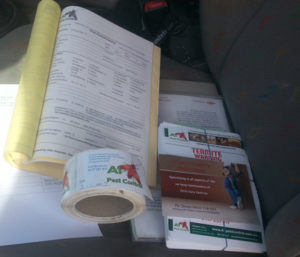
Early Learning Pest Control Maintenance
Our skilled and experienced technicians will provide a professional service, ridding your business of pests, while simultaneously, allowing confidence that families, children and pets will not come to harm from our products.
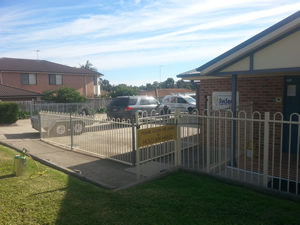
Childcare Pest Control Sydney for Early Learning Centres
A clean, well-maintained childcare centre is essential for protecting children, staff and visitors. Early learning environments can also provide pests with food, water, warmth and shelter. Crumbs beneath furniture, busy kitchens, nappy-change areas, storerooms, gardens and waste zones can all attract unwanted pest activity.
A1 Pest Control provides professional childcare pest control in Sydney for early learning centres, preschools, kindergartens and day care facilities. Our approach combines inspection, practical prevention and targeted low-tox treatments selected for the pest, the property and the way each area is used.
The aim is not simply to react to a pest sighting. We help centres establish a reliable pest management program for childcare centres that addresses current activity and reduces the conditions that may allow pests to return.
Why Pest Control for Childcare Centres Requires Extra Care
A childcare facility is different from an ordinary office, warehouse or retail premises. Young children spend time close to floors, touch many surfaces and may place their hands or toys in their mouths. Treatments therefore need to be planned carefully, with application methods selected to minimise unnecessary exposure.
Professional pest control for childcare centres should begin with an inspection and risk assessment. The technician should identify the pest, locate food and moisture sources, check potential entry points and determine which areas can be managed through cleaning, exclusion, repairs, monitoring or targeted treatment.
Where a pesticide is required, it should be registered for the intended use and applied according to its approved label. Treatment timing, access restrictions and any re-entry requirements should be discussed with the childcare centre before work begins. The NSW EPA advises that licensed pest controllers must use registered pesticides covered by an approved label or permit and take measures to avoid harming people, animals and the environment.
Common Pests Found in Sydney Childcare Centres
Cockroaches
German cockroaches can establish themselves around kitchens, appliances, cupboards, sinks and warm electrical equipment. Other cockroach species may enter from drains, gardens, roof voids or external bin areas.
Our childcare cockroach control focuses on harbourage points, moisture, food residues and pest movement pathways rather than unnecessary spraying across open play surfaces.
Ants
Ants are commonly attracted to snacks, drink spills, lunch boxes and outdoor eating areas. Spraying visible ant trails may provide only temporary relief if the nest or colony remains active.
Effective ant control for early learning centres may involve correct species identification, sealing entry points, improving food management and placing appropriate treatments in locations inaccessible to children.
Rats and Mice
Rodents can enter buildings through gaps around doors, pipes, rooflines and service penetrations. Warning signs can include droppings, gnawing, noises in walls or ceilings, nesting material and damaged food packaging.
A professional rodent control program for childcare centres should combine building proofing, sanitation, monitoring and secure control equipment positioned away from children and unauthorised access.
Spiders, Wasps and Flies
Play equipment, storage sheds, fences, stored toys, eaves and gardens can provide shelter for spiders and wasps. Bins, drains, kitchens and organic waste can attract flies.
Treatment should be based on the pest, its location and the actual level of risk. Regular inspection, cleaning and removal of webs, nesting material and pest harbourage can reduce the need for broad chemical applications.
Termites
Childcare buildings can also be affected by termites, particularly where timber, moisture, landscaping or concealed access points are present.
A professional termite inspection can help identify termite activity, damage and conditions that may increase the risk of infestation. Termite inspections should be treated as a separate component of the centre’s wider property-maintenance program.
Our Low-Tox Integrated Pest Management Approach
A1 Pest Control uses an Integrated Pest Management approach wherever practical. This means reducing the conditions that support pests and applying targeted treatments only where they are needed.
Our process may include:
- Detailed inspection: We examine kitchens, storerooms, playrooms, sleep areas, bathrooms, nappy-change zones, roof voids, gardens, drains, bins and building entry points.
- Pest identification: Correct identification helps prevent ineffective or excessive treatment.
- Prevention recommendations: We may recommend sealing gaps, repairing screens, improving drainage, moving stored materials, trimming vegetation or changing waste and food-storage practices.
- Targeted treatment: Depending on the pest and site, treatment may involve monitoring devices, traps, crack-and-crevice applications, gels, dusts or other controlled methods.
- Careful scheduling: Work can be planned around the centre’s operating hours and the directions applying to the selected products.
- Documentation and follow-up: Commercial service records help centre managers track pest activity, products used, maintenance recommendations and required follow-up actions.
This approach supports effective low-tox pest control for childcare centres without relying on routine blanket spraying. The NSW EPA also recommends considering non-chemical pest-control measures and reducing the conditions that make a property attractive to pests.
Supporting Clean and Well-Managed Early Learning Premises
The National Quality Standard expects education and care premises, furniture and equipment to be safe, clean and well maintained. It also recognises the importance of regular safety checks, cleaning schedules and documented maintenance procedures. Pest management can form part of the centre’s wider cleaning, maintenance and risk-management processes.
A professional early learning centre pest control plan can help demonstrate that pest sightings, conducive conditions and maintenance recommendations are being addressed. Depending on the centre, the program may include scheduled inspections, pest monitoring, preventative work and responsive visits when activity is reported.
The appropriate service frequency depends on:
- the size and condition of the building
- the surrounding environment
- kitchen and food-preparation activity
- waste storage and collection arrangements
- the centre’s history of pest problems
- current monitoring results and pest pressure
A small preschool with limited food preparation may require a different program from a large long day care centre with a commercial kitchen, extensive grounds and multiple waste areas.
Why Choose A1 Pest Control?
A1 Pest Control is a Sydney family-run business with more than 40 years of pest-management experience. We understand that childcare directors need effective results, clear communication and treatments suited to sensitive environments.
We provide commercial pest control for childcare centres, including:
- early learning centres
- preschools and kindergartens
- long day care facilities
- before-school and after-school care facilities
- family day care premises
- multi-site childcare operators
We treat common childcare pests including cockroaches, ants, rats, mice, spiders, wasps and flies. We can also provide termite inspections and recommend appropriate termite-management options when evidence of activity or elevated risk is found.
Childcare Pest Control FAQs
Is Pest Control Safe for Childcare Centres?
Pest control can be carried out responsibly in childcare environments when the site is properly assessed, suitable products and application methods are selected, approved label directions are followed and treated areas are managed correctly.
Before treatment, we explain the proposed work and any instructions regarding access, ventilation or re-entry. We avoid claiming that every pest-control product is “non-toxic.” Instead, we focus on reducing exposure through prevention, careful product selection, targeted application and appropriate scheduling.
How Often Should a Childcare Centre Have Pest Control?
There is no single pest-control schedule suitable for every centre. The appropriate frequency should reflect pest history, food preparation, waste areas, surrounding vegetation, building condition and monitoring results.
After inspecting the property, we can recommend a practical scheduled program rather than automatically applying the same treatment at every visit.
Can Treatments Be Completed Outside Operating Hours?
Where appropriate, work can be scheduled when children are not present. The timing will depend on site access, the pest being treated and the directions applying to the products or methods selected.
Do You Provide Service Records and Product Information?
Commercial service documentation can include the areas inspected or treated, pest activity found, products used and recommendations requiring attention.
Product information and safety data sheets can also be supplied where required. The NSW EPA states that a pest controller must provide relevant safety data sheets on request.
Request a Childcare Pest Control Quote
For experienced childcare pest control in Sydney, contact A1 Pest Control on 0417 251 911.
Tell us your centre’s suburb, the type of pest activity you have noticed and your preferred service time. We will recommend an inspection or pest management plan for your childcare centre based on the property, pest problem and way the facility operates.