
Bed Bugs Pest Control Sydney?
Here are some common questions about bed bugs pest control in Sydney that we get asked all the time:
- Do pest control firms deal with bed bugs? Absolutely, professional pest control services are well-equipped to tackle bed bug problems. Companies like A1 Pest Control specialize in the identification, treatment, and prevention of bed bug infestations. Given the increasing prevalence of these pests, it’s recommended to reach out to a trusted pest control service in Sydney like A1 Pest Control for a comprehensive inspection and effective treatment.
- What is the best pest control method for bed bugs? The most effective pest control method for bed bugs usually involves a combination of approaches to extermination, including:
a. Heat Treatment: Exposing the infested area to high temperatures (typically above 120°F or 49°C) can kill bed bugs and their eggs. This method is highly effective when done by professionals. It requires specialist equipment and mainly used overseas or by the larger firms in Sydney, Australia.
b. Chemical Treatments: Insecticides specifically designed for bed bug control can be applied by professionals in Sydney Australia. These treatments may include residual sprays, dusts, or contact insecticides.
c. Vacuuming and Steam Cleaning: Thoroughly vacuuming the affected areas, along with steam cleaning, can help eliminate bed bugs and their eggs. This will get rid of some adults and provide a clean area for the bedbug insecticides to be applied.
d. Mattress and Furniture Encasements: Using specially designed encasements for mattresses and furniture can help trap and isolate bed bugs. You may purchase bed bug mattress encasements from A1 Pest Control Sydney.
e. Laundering and Cleaning: Washing and drying bedding, linens, and clothing at high temperatures can eliminate bed bugs. Regular cleaning and decluttering can also reduce hiding places.
f. Preventive Measures: Preventing re-infestation involves sealing cracks and crevices, minimizing clutter, and regularly inspecting for signs of bed bugs.
The best method of extermination may vary depending on the severity of the infestation and individual circumstances.
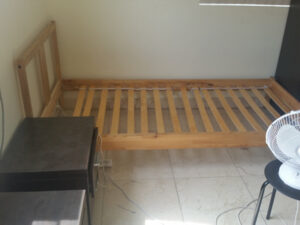
A thorough inspection is vital before any treatment is applied in Sydney homes. Have a look at some of the hiding spots for bedbugs below:

See the spotting? Here is a clearer photo of the same bed:
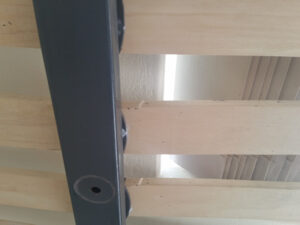
Professional pest control experts such as A1 Pest Control Sydney can assess the situation and recommend the most appropriate treatment plan.
- How do I get rid of bed bugs in my house completely? To completely eliminate bed bugs from your home, it’s essential to follow a systematic approach to their extermination:
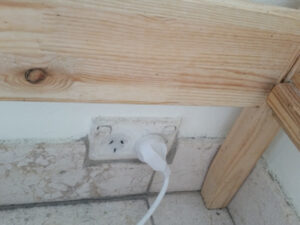
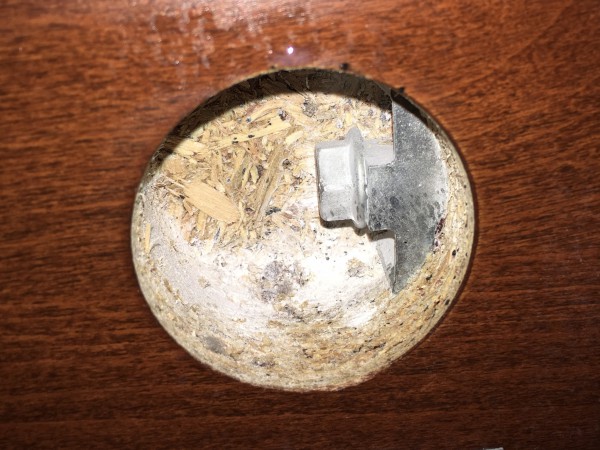
a. Identify the Infestation: Confirm that you have a bed bug problem by looking for physical signs such as live bugs, shed skins, and fecal stains. Blood spotting is also a dead give away. Look in any areas where bedbugs can hide. Here is a common spot, a power point near the bed:
b. Use a Professional Pest Control Firm: Contact a reputable pest control company with experience in bed bug removal. They will conduct a thorough inspection and implement appropriate treatment methods. Call Bruce on 0417 251 911 or email him at bruce@a1pestcontrol.com.au
c. Preparation: Follow the pest control company’s instructions for preparing your home before treatment, which may include decluttering, laundering, and sealing items.
d. Treatment: Allow us as professionals to apply the chosen treatment methods to affected areas.
e. Prevention: After treatment, take steps to prevent re-infestation by sealing cracks, using mattress encasements, and maintaining good hygiene practices.
f. Follow-Up: Schedule follow-up inspections and treatments as recommended by us as the pest control experts to ensure the infestation is completely eradicated.
- What to do if you slept in a bed with bed bugs? If you suspect that you’ve slept in a bed with bed bugs, take the following steps:
a. Inspect Your Belongings: Examine your luggage, clothing, and personal items for any signs of bed bugs. Remove and isolate any items that may be contaminated.
b. Wash and Dry: Launder your clothing and any washable items using high heat, if possible. This will help kill any bed bugs or eggs that may have hitchhiked on your belongings.
c. Isolate Items: Isolate your luggage and items in sealed plastic bags to prevent any potential bed bugs from spreading to other areas of your home.
d. Inspect and Clean: Thoroughly inspect your own home for signs of bed bugs. If you suspect an infestation, consider contacting a professional pest control service such as A1 Pest Control for an inspection.
e. Preventive Measures: Take preventive measures when traveling, such as using bed bug-proof luggage liners, inspecting hotel rooms, and keeping your luggage off the floor.
While encountering bed bugs can be unsettling, it’s essential to respond promptly to prevent them from spreading to your home. If you believe you brought bed bugs home, a professional inspection and treatment by A1 Pest Control Sydney may be necessary.
- Call Bruce on 0417 251 911 or email him at bruce@a1pestcontrol.com.au if you have a problem with bedbugs.
Life Stages of the Common Bed Bug
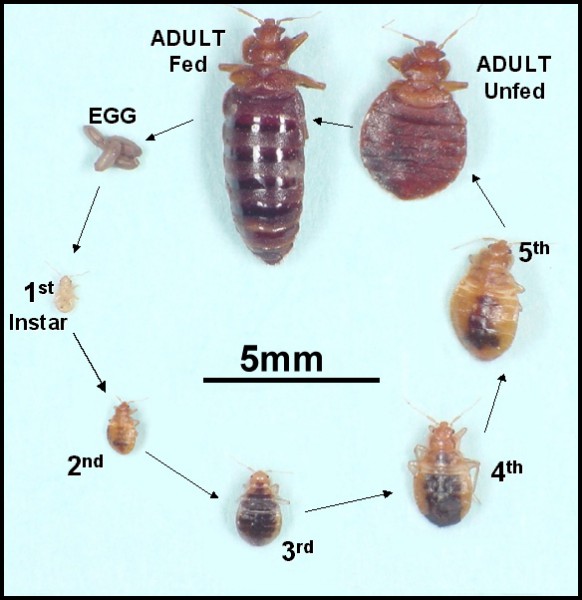
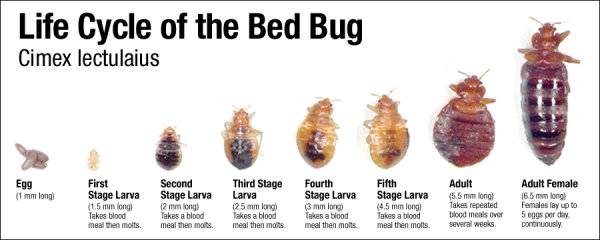
The life cycle of the common bed bug, scientifically known as Cimex lectularius, unfolds over approximately two months when the temperature is around 22 degrees Celsius. It consists of five distinct nymphal instars or stages, each marked by intriguing transformations.
First Instar (Newly Hatched): The journey commences with the first instar, where the young bed bug emerges as a cream-colored nymph, measuring roughly 1.5mm in length. It is at this stage that they eagerly await their first blood meal.
Subsequent Moults: As the bed bug progresses through its life cycle, it undergoes a series of moults, shedding its old skin. These exuviae, or discarded exoskeletons, are often visible in cases of infestation. With each molt, the insect darkens in color and increases in size.
Adult Stage: Upon completing its transformation, the bed bug matures into the adult stage. Adult bed bugs are typically about 5-6mm in length before a blood meal, which can extend their size to approximately 7mm when they become fully engorged. Distinguishing between males and females is possible; males are slightly smaller and have a pointed end, while females exhibit a more rounded shape.
It’s important to note that bed bugs lack wings and, therefore, cannot fly. Their primary mode of movement is walking; they do not possess the ability to jump. They are adept at hitchhiking, often being transported to new locations via various items.
Reproduction and Eggs: The reproductive capacity of bed bugs is noteworthy. A single female bed bug can lay over 200 eggs during her lifetime. The eggs themselves are about 1mm in length, off-white in color, and have an upturned end, sealed with a cover known as the operculum. This operculum serves as the exit point for the nymph when it’s ready to emerge. The appearance of the egg can offer insights into its age and viability. Collapsed or irregularly shaped eggs may indicate that the nymph inside is either deceased or has already hatched.
Typically, bed bug eggs are laid in groups and hidden in cracks and crevices. Understanding their life cycle and reproductive habits is crucial for effective pest control and eradication.
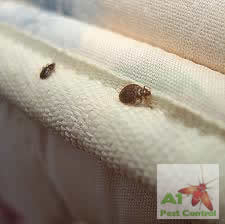
What are bed bugs?
Bed bugs in Sydney NSW are insects of the Order Hemiptera and Family Cimicidae, which has over 90 species around the world and 2 in Australia, the common bed bug Cimex lectularius, and the tropical bed bug, Cimex hemipteus.
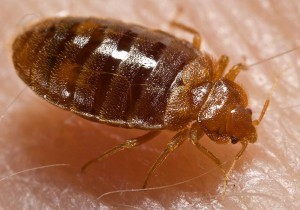
Bed bugs have three basic life stages; egg, nymph, and adult.
There are five juvenile stages, which feed on blood, moult and grow over time. The adult is about the size of an apple seed.
Where Did Bed Bugs Come From?
It is unclear exactly why and from where bed bugs re-emerged as a pest in our homes, dormitories, hotels, and shelters, but the resurgence was noticed throughout the world in the late 1990’s.
Before World War II, it was estimated that nearly 30% of Australian homes had bed bugs.
From the 1950’s a lot of residual sprays including DDT, chlordane and Dieldrin were often italicised inside dwellings, which although dangerous to health, slowed down the bugs’ proliferation.
As such, BedBugs were nearly absent for 50 years in Australia. It is thought that bed bugs may never have truly disappeared in Australia. In my early days as a pest controller, I never saw any bed bugs anywhere in Sydney, they were virtually unknown here for decades.
Where Do Bed Bugs Hide Out?
Are Bed Bugs a Seasonal Issue?
The short answer is no. Bed Bugs are a year round threat and are most prolifically found in hotels/motels/B&B’s due to the fact that they spread through travel! Everyone knows how disgusting it is to overnight at an establishment that has bed bugs through the linens, they’re never a welcome sight.
Bed Bugs flourish in densely populated rooms with a high amount of people traffic. As such we would recommend quarterly or 6 monthly bed bug treatments if you own a business providing overnight stay. We offer comprehensive bed bug treatments and extermination that incorporate 6 different treatment strategies which results in a thorough and LASTING treatment. Call us today to get those bed bugs gone!
0417 251 911 | bruce@a1pestcontrol.com.au
They always must feed on hosts in order to grow, & although they will primarily feed at night-time, bed-bugs will sometimes bite during day-time. Bed bugs in Australia have never transmitted any disease at all to human beings.
Symptoms of Bed Bugs
It is known that common symptoms of bed bugs are the itchy welts of victims, though some victims will not show any welts.
Reactions may vary widely & bites by themselves can’t be used to confirm the existence of a bed bug infestation. Bites to some unfortunate people may lead into other more serious secondary infections by the scratching of the bites.
In some situations, Anemia has been reported locally in chronic infestations. This has been where elderly persons and the very young in cases where their homes have been rather heavily infested with the bugs. Also Asthma has recently been linked overseas to bed-bugs infestation in houses.
More risks can arise with the use of insecticides to treat bed bug problems in the home, particularly when individuals attempt to eradicate bed bugs without the help or advice of a professional pest manager.
Bed Bug Control Sydney
A1 Pest Control are experts at fast and low toxic control of these pests and this strategy helps resolve these types of problems.
Call Bruce on or email him at bruce@a1pestcontrol.com.au for more information & help with your problem
How to get rid of Sydney Bed Bugs?
Battling Bedbugs in Sydney: A Comprehensive Guide to Eradication in Affected Suburbs
Bed bug infestations can be a nightmare for residents in Sydney, as these tiny pests are notorious for their resilience and ability to multiply rapidly. While bed bugs don’t discriminate based on location, certain suburbs in Sydney have unfortunately become hotspots for infestations. In this comprehensive guide, we will explore effective strategies to get rid of bed bugs and highlight some of the main suburbs affected by these persistent pests.
Understanding the Bed Bug Problem:
Bed bugs are small, blood-sucking insects that feed on the blood of humans and animals. They are adept at hiding in cracks and crevices, making them challenging to eliminate completely. Sydney, being a bustling metropolis, provides an ideal environment for bed bugs to thrive due to the high population density and frequent travel.
Common Suburbs Affected by Bed Bug Infestations:
- Sydney CBD: The central business district (CBD) is a hub of activity, with people constantly moving in and out of hotels, apartments, and other accommodations. This constant movement creates opportunities for bed bugs to hitch a ride on luggage, clothing, or furniture.
- Surry Hills: Surry Hills is a trendy and densely populated suburb known for its vibrant nightlife and eclectic community. Bed bugs can easily spread in this environment, moving from one residence to another through shared spaces and social interactions.
- Redfern: Redfern, situated close to the CBD, has seen an increase in bed bug infestations due to its proximity to transportation hubs like Central Station. The movement of people in and out of the area contributes to the spread of these pests.
- Darlinghurst: Darlinghurst is another inner-city suburb that has experienced issues with bed bugs. The close quarters of apartment living and the transient nature of its residents make it susceptible to infestations.
- Bondi Beach: Even the iconic Bondi Beach has not been immune to bed bug problems. The frequent turnover of tourists in accommodations around this popular destination increases the likelihood of bed bugs being introduced and spreading.
Eradicating Bed Bugs: A Step-by-Step Guide
- Identification: The first step in addressing a bed bug infestation is identifying the problem. Look for physical signs such as small reddish-brown insects, tiny eggs, and dark fecal spots on bedding and furniture.
- Cleaning and Decluttering: Reduce hiding spots for bed bugs by decluttering and organizing living spaces. Regularly vacuum carpets, curtains, and upholstery, paying special attention to seams and folds where bed bugs may hide.
- Washing and Heat Treatment: Launder all bedding, clothing, and curtains in hot water, and dry them on the highest setting. Bed bugs cannot survive extreme temperatures, so this helps eliminate them from infested items.
- Use of Pesticides: Consider using insecticides, but exercise caution. Some products may be harmful to humans and pets. Always follow the instructions provided on the label and, if unsure, seek professional pest control services.
- Encase Mattresses and Furniture: Invest in bed bug-proof mattress and furniture encasements. These covers trap bed bugs and prevent them from reaching you while you sleep, ultimately aiding in their elimination.
- Professional Pest Control: If the infestation persists, it is advisable to seek the services of a licensed pest control professional. They have the expertise and access to stronger pesticides that can effectively eliminate bed bugs.
- Regular Monitoring and Maintenance: After the initial treatment, it’s crucial to monitor for any signs of bed bug resurgence. Regularly inspect your living spaces, especially bedrooms, for any new infestations and address them promptly.
Sleep Deprivation: Bed bugs are generally nocturnal(night sleepers). They attack you at night when you are asleep, thus interfering with your rest. In some cases they may lead to insomnia (complete lack of sleep).
Mental Conditions: The annoyance from the pest contributes to mental issues such as depression, anxiety, and psychosis (in dire cases).
Bed bugs are small but visible insects.
Bed bugs life stages:
- The whitish egg (about 1 mm in length),
- 5 nymph growth stages (pale in colour) that are 1mm to 4.5 mm, and
- Adults which can be as long as 7 or 8 mm when fed.
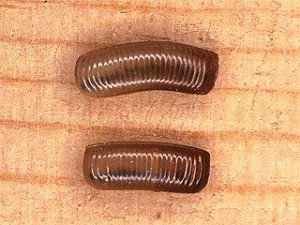
When searching for bed bugs it is important not to overlook the nymphs, which can be difficult to spot. Look for nymphs where droppings and stains appear, especially in crevices on fabric and wood surfaces.
Bites will instantly tell you that you have a problem (as if you didn’t know!). The bite marks will leave a particular marking on your skin that may stretch our in a line. Bed bugs will feed only on blood. They insert will pierce your skin repeatedly to search for a blood vessel.
Saliva gets released into your skin which causes an allergic reaction that feels like an itch.
Some people are not allergic and hence do not have any reaction at all.
Not everyone in a residence will react the same way and many times only one person will show signs of bites, leading others to believe it cannot be bed bugs and just imagined by the sufferer.
Other Causes of Itching and Bites Apart from Bed Bugs
- Mosquitoes – mosquitoes will mainly feed between nightfall and dawn, but some species will feed during the day. Mosquito bites have a large red and white wheal.
- Lice – Head, body and pubic lice
- Ticks – They are usually found around bush-land and long grassy areas.
- Fleas – Fleas need to have animal hosts such as pets like cats or dogs.
- Bird & rodent mites – Hear any noises in the roof, walls or on the building?
- Birds should be discouraged from nesting on the building or in AC units.
- Scabies – Scabies is a mite also known as the human itch mite. Its a parasite that immerses itself into your skin, producing little welts which contain mites and their eggs. Scabies are not a pest management issue, and do not require treatment of a room or home, however bedding and clothes should be laundered at high temperatures for sanitation reasons.
- Spiders – Spiders can bite and leave small wounds when they bite. Spider bites are rare as they mainly want to live outside away from you!
Is YOUR home protected from Bed Bugs? Remember A1 for your home’s complete bed bug control and pest management systems.
Bed bugs cannot survive any area with temperature of below 0 degrees Celcius . However, any attempt to kill bed bugs by chilling a room has a low chance of success, as the cold temperature should be maintained for at least two weeks. Pest control experts such as A1 will normally use a wide array of aerosols, low-odour sprays or dusts.
Maintaining proper hygiene and cleanliness is the best way to avoid bed bug bites. Vacuum regularly (even on areas where you don’t have carpets) and change bedding every few days.
Best Bed Bug Mattress Encasement?
Bed Bug Mattress Encasements will protect you from an initial infestation in your mattress base (box spring)
At least 70% of bed bugs present in an infestation colonise the mattress and infrastructure of the box springs. If there is an infestation, our zippered encasements will eliminate the opportunity for bed bugs to find a home.
The latest Non Toxic Total Method – “Mattress Encasement”
Several “Bite Tests” and “Penetration & Escape Tests” were also performed with success on the BugLock®’s “Ultimate” brand encasement with a zipper. This later was tested by the best certified entomologists to determine whether or not bed-bugs may feed on people via penetrating the fabric.
This proves that BugLock®’s has an ability for the prevention of infestations of all species of bed bug in these mattresses and box springs.
Features:
- Durable stretch-knit fabric
- Fire retardant
- Bed Bug Warranty
- Impermeable to Dust mites, Bed-bugs, mould and bacteria
- It stretches to fit depths up to 18 to 30 centimetres
Call Bruce on 0417 251 911 or email him at bruce@a1pestcontrol.com.au if you have a problem with bedbugs.
Australian bed bug facts
Remember to call Bruce on 0417 251 911 or email him at bruce@a1pestcontrol.com.au if you have a problem with bedbugs.
Most people, if not everyone, know OF bed bugs but they tend to know very little ABOUT bed bugs. This article will hopefully inform you a bit on the matter and help you to better equip yourself against this vile pest.
The Basics:
Bed bugs are commonly found worldwide and although the seemed to decline globally throughout the 20th century they’ve recently started making an aggressive return.
To put this into perspective, the incidences of bed bug infestation have increase 5,000% since 1999!! That’s just over a decade and during that time infestations have dramatically and exponentially increased.
Bed bugs are completely wingless insects and on average measure 5-6mm as adults. Their colour resembles a rusty brown and can change to a richer red colour after indulging in a blood meal.
During their juvenile stages the nymphs measure 1-4mm and
throughout all stages of life they have a flattened body which lends to their ability to hide in narrow cracks and crevices which
makes them very hard to detect and treat.
Diagnosing & Treating a Bed Bug infestation:
It’s generally quite easy to identify a bed bug issue as they will tend to leave cast skins, hatched and unhatched eggs as well as the dead bed bugs’ remains.
As put forward by the Western Sydney Area Health Service and their Institute of Clinical Pathology & Medical Research fact sheet, consulting a licensed pest controller should be the first step in countering a bed bug infestation.
To treat a bed bug infestation requires complete diligence and a thorough inspection if you hope to
rid yourself of this pest completely. After a complete inspection has been performed a pest control would use a pesticide with a residual effect to ensure that the bed bugs are completely exterminated without hopes of re-infesting the property.

There are non-chemical alternatives which involve regular vacuuming and steam cleaning carpets and linens however, these treatments are often not comprehensive and will likely fail in eliminating the whole bed bug population.
Thus we would advise using a firm like ours that only uses low-toxic and non-toxic steps in our bed bug treatment regimes. The synthetic pyrethroid we use is non fuming and the residual effects pose
absolutely zero threat to children and pets!
We can also supply bed bug mattress encasements which ensure your nights are peaceful and without any of these bugs feasting on your blood!
Call us today and we’ll exterminate any pest you’ve got, just call Bruce on 0417 251 911 or email him at bruce@a1pestcontrol.com.au if you have a problem with bed bugs.
Pest Control – Bed Bugs Extermination
How do you know when you have bed bugs?
When the simply thought of bed bugs makes you feel scratchy, most! These kinds of tiny blood vessels drawing insects can be very difficult to spot as well as tougher to reduce without expert bed bugs extermination. These bugs don’t just reside in beds, they may be within gentle home furniture, carpets, workplaces, fitness health clubs and just about anywhere there is a food source and also anywhere to hide.
There are several tell-tale indicators which you might have a bedbug problem which includes:
•You observe scratchy attacks on your own body every single morning.
•You have got noticeable proof your sleep bugs or their particular offspring, frequently around or on air a mattress or bedframes. When mattress insects are usually smashed right after they’ve got fed (simply by simply an individual allowing this to continue in their sleep as an example) it could leave blood spots on linens.
•You discover bedbug faecal matter on your bedding or close to your mattress (tiny black dots that smear if wiped).
If you feel you could have your sleep pests you will need to learn for certain to be able to deal with the problem and prevent more distributed. Then you will never be popular with your family and friends in case your infestation passes on to them!
Mattress bugs distributed very easily simply by hitching a journey on clothing or perhaps in bags. Those that travel frequently can be with risky associated with bed bug pests also it can be given to family and friends associates very quickly. There are a number associated with options available however expert mattress pests extermination is the better approach to fully treat these kinds of insects and eradicate the issue.
We also have the best quality Bed Bug Mattress Encasements for sale that will increase the effectiveness of our treatment.